
There’s a moment many parents know all too well. It usually happens at the kitchen table, sometime between homework frustration and another long sigh. Your child stares at a math problem, overwhelmed and unsure where to even begin. You want to help, but the truth is you’re not always sure what the problem is either. And honestly, it’s tough watching a kid who’s bright and capable start to doubt themselves.
But what if that moment doesn’t have to carry into next year? What if summer could finally be the break that turns things around?
That’s the idea behind giving kids the space and time to rebuild confidence when school isn’t moving at full speed. It’s often during these quieter months that big breakthroughs happen.
In This Article:
Why Struggles Build Up During the School Year
Most math frustrations don’t come from a single tough chapter or one confusing lesson. They usually build slowly over time. The school year moves fast. Teachers do their best to review key concepts, but there’s only so much time. When a student misses something early on, the next topic becomes harder. And then the one after that. Before long, a small gap in understanding becomes a wall they can’t seem to climb.
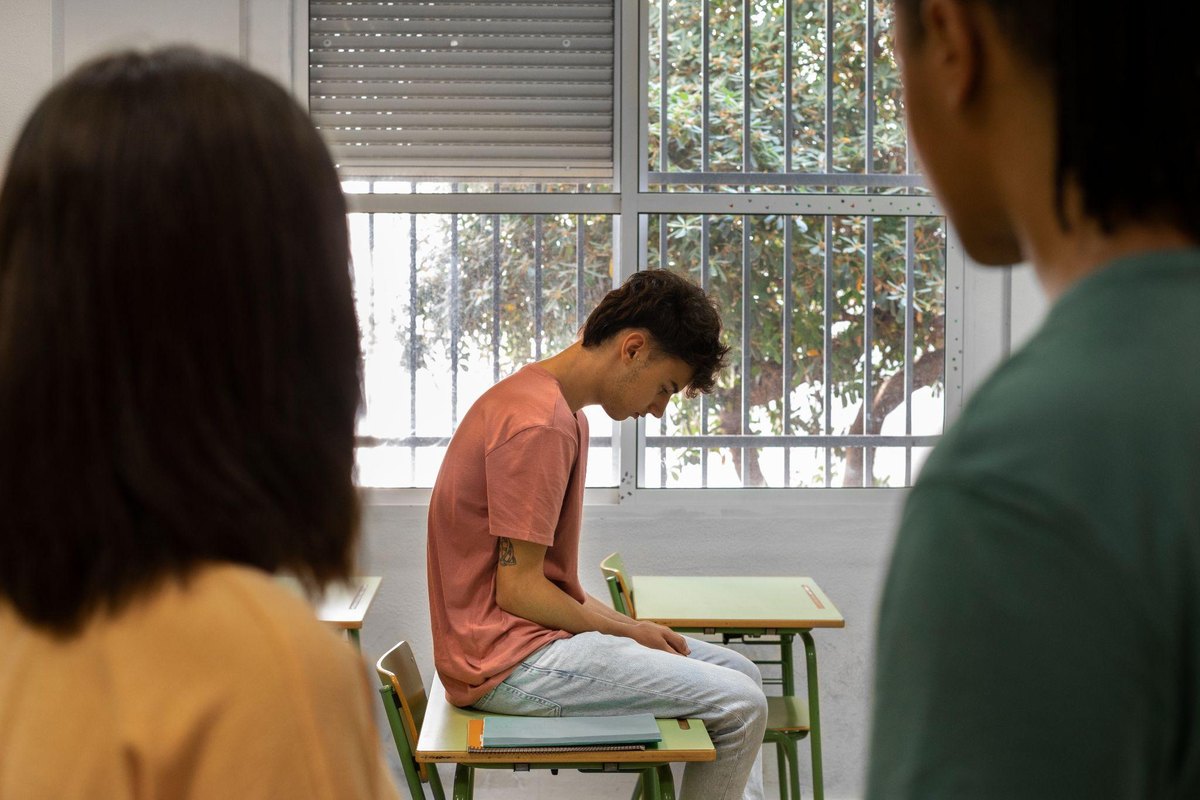
Kids feel this even if they don’t say it out loud. Falling behind doesn’t always look dramatic. Sometimes it’s as simple as a child becoming quieter in class or avoiding eye contact when the teacher asks for volunteers. You might notice your child takes longer on homework or seems anxious before tests. You might hear more “I can’t do this” and fewer “Let me try again.”
And the emotional side of this buildup often matters as much as the academic side. When students feel lost, they start to disconnect. When they disconnect, they learn even less. It’s a cycle that’s hard to break once it starts.
How Summer Creates Space for Real Understanding
Then summer arrives. No daily homework. No back-to-back classes. No pressure to keep up with 25 other students. Suddenly there’s room to breathe.
This is where real progress can happen.
Without the rush of a regular school schedule, kids can slow down and revisit concepts they didn’t fully grasp the first time. They can ask questions they were too nervous to bring up in class. They can practice without the fear of falling behind. And they can finally understand the “why” behind the math, not just the steps they were told to memorize.
A lot of students don’t even realize they can understand math until they experience learning at their own pace. When students have room to revisit earlier concepts through focused summer math tutoring, they often realize they were capable all along.
That moment of realization? It changes everything.
The Turning Point: When Confidence Replaces Confusion
Breakthroughs in math don’t always look dramatic from the outside. They might come in a quiet moment when a student solves a type of problem they used to avoid. Sometimes it’s the first time they raise their hand voluntarily. Other times it’s when they finish a worksheet without feeling overwhelmed.
One thing is almost always the same, though: confidence grows in small, steady steps.
Kids start asking more questions. They start trying harder problems. They stop shutting down the moment something feels unfamiliar. You can see it in their posture, their tone, even the way they talk about school.
And the best part? This boost doesn’t disappear when summer ends. Confidence tends to stick. Once a student starts to believe they can understand math, they carry that belief into fall, into the next grade, and sometimes into the rest of their academic life.
Isn’t that what every parent hopes for?
The Emotional Benefits Parents Notice First
Before grades start to rise or homework time becomes smoother, parents usually notice something else: the emotional shift.
You might see less stress around math. Homework doesn’t feel like a battle. Your child might sit down without the usual tension on their face. They might say things like “I think I get this now” or “This isn’t so bad.”
Kids who feel supported and understood become more open to learning. They take more chances. They’re less afraid of getting something wrong because they finally know they can figure it out.
And for many families, this emotional relief is just as valuable as the improved grades that follow.
Summer gives students a chance to reset not just what they know, but how they feel about learning itself.
Setting Students Up for a Stronger School Year
Here’s something many parents don’t realize until they see it happen: when students strengthen their foundation during summer, the entire next school year becomes easier.
Kids walk into the first day of class feeling ready. They understand the building blocks they’ll need for new topics. Instead of playing catch-up, they start ahead. That confidence can completely change how they participate in class and how teachers see them.
Students who struggled before often discover they’re capable of much more than they believed. Some begin raising their hands more often. Others start helping classmates. A few even develop an unexpected interest in math because, for the first time, it feels manageable.
What would it look like if your child walked into next year already feeling strong? Just imagine the difference in their mindset, their motivation, and their willingness to take on challenges.
Summer learning sets that into motion.
A Season That Can Change Everything
Summer is usually thought of as a break, but for many students, it can become something much more. It can be the season where old frustrations finally fade. It can be the moment when a child realizes they’re not “bad at math” after all. It can be the turning point that shapes the year ahead.
When kids gain clarity, confidence, and a sense of control over their learning, you see it in every part of their life. School becomes less stressful. Homework becomes more manageable. Challenges feel less intimidating.
And it all starts with giving them the time and space to learn in a way that works for them.
Sometimes the biggest transformations happen in the quietest seasons. Summer might just be the chance your child needs to step into the next school year feeling stronger, steadier, and ready for whatever comes next.