Learning models designed for unpredictable situations focus on preparation through exposure rather than prediction. Students are placed in environments where outcomes remain open, and decisions must be made with partial information. Training emphasizes awareness, responsibility, and steady action while conditions evolve. Instead of working toward predefined answers, learners engage with situations that require judgment, coordination, and reflection. This type of preparation mirrors real settings where clarity develops through action and attention rather than certainty.
Educational programs now rely on structured experiences that allow uncertainty to exist within a guided framework. Simulations, scenario work, and timed exercises give students repeated contact with evolving situations. Each experience builds familiarity with pressure, decision flow, and accountability. Learning occurs through participation, observation, and follow-up reflection. In this way, students develop confidence grounded in experience, preparing them for environments where adaptability and composure remain essential.
In This Article:
Scenario-Based Training Under High-Pressure Conditions
Scenario-based training places students inside active situations that demand focus and responsiveness. Learners engage with evolving conditions that require prioritization, communication, and follow-through. Such scenarios are designed to showcase real operational environments where multiple variables influence outcomes. Students practice responding while maintaining awareness of the broader context and team coordination.
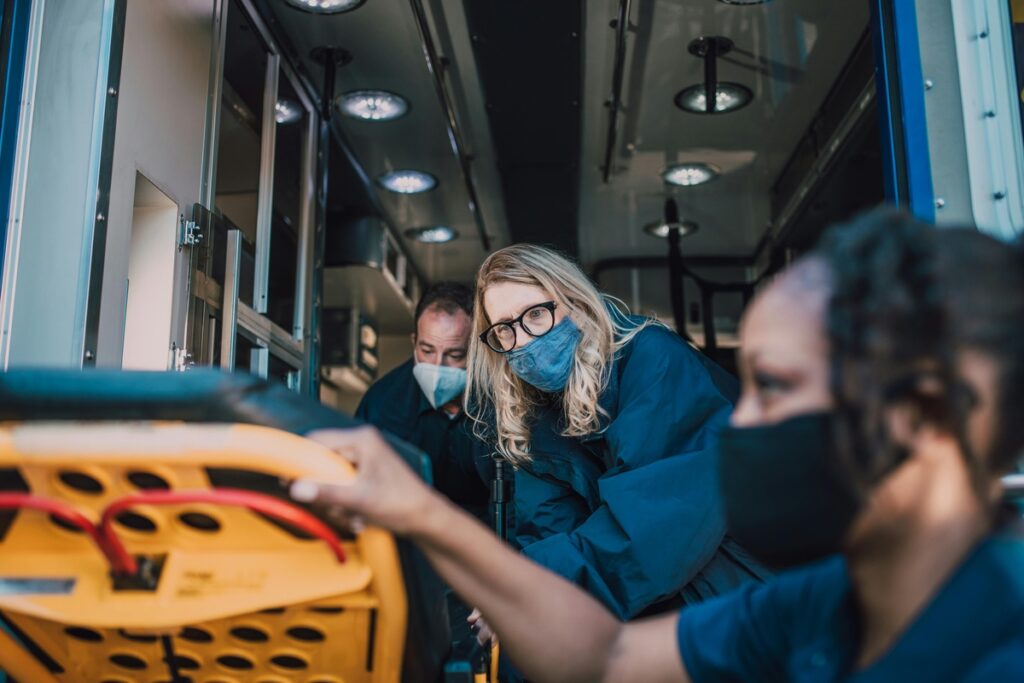
Emergency response scenarios often provide structure for this type of learning. Simulated large-scale events allow students to experience coordination demands, decision sequencing, and responsibility under pressure. Programs like a disaster management certificate frequently use these exercises to expose learners to organized response systems and shared accountability. Participation helps students understand how preparation and structure support effective action during complex situations.
Rapid Assessment Skill Development
Rapid assessment training supports the ability to process information efficiently as situations unfold. Students practice scanning environments, identifying relevant details, and forming initial response plans. Exercises emphasize attention control and situational awareness. Learners develop habits that support organized thinking during moments that require timely decisions.
Through repetition, assessment skills become more familiar and reliable. Students gain experience recognizing patterns and signals that guide response. Rapid assessment strengthens readiness for situations where clarity develops progressively. These skills support thoughtful action during environments that continue to change during response.
Real-Time Response Simulations
Real-time response simulations immerse students in situations that progress without pause. Events unfold continuously, requiring learners to remain engaged throughout the exercise. Students respond to new information as it appears and adjust actions accordingly. This format supports awareness of timing, coordination, and responsibility.
Participation in real-time simulations reinforces attentiveness and follow-through. Learners experience how decisions influence subsequent developments. Reflection after each simulation supports understanding of response flow and accountability. Such experiences strengthen familiarity with environments shaped by ongoing change.
Communication Drills Under Uncertainty
Communication drills prepare students to share information clearly during active situations. Exercises focus on message clarity, confirmation, and coordination among participants. Students practice delivering updates while conditions remain fluid. These drills highlight communication as a core element of effective response.
Repeated practice strengthens communication habits under pressure. Learners develop comfort with concise messaging and attentive listening. Communication drills support alignment and shared understanding within teams, which then contribute to stable coordination during unpredictable environments.
Resource Prioritization Activities
Resource prioritization activities introduce students to decision-making within limited conditions. Learners evaluate needs, assign attention, and manage available tools during active scenarios. Exercises encourage responsibility and situational awareness. Students experience how prioritization influences response flow and team coordination.
Through guided practice, learners develop familiarity with allocation decisions. Reflection reinforces understanding of how choices shape outcomes. Resource prioritization becomes a practiced skill through experience and repetition. Such activities support preparation for environments where availability and demands continue to shift.
Ethical Reasoning During Emergent Situations
Ethical reasoning becomes especially visible during situations that develop quickly and carry real consequences. Training environments introduce ethical considerations through scenarios that require judgment under pressure. Students encounter moments where choices affect safety, fairness, and responsibility. Guided discussion and supervised practice allow learners to consider the impact of decisions without the weight of real-world harm.
Repeated exposure to ethical scenarios strengthens awareness and accountability. Learners gain experience identifying ethical considerations while remaining attentive to situational demands. Reflection supports understanding of responsibility during complex circumstances. Ethical reasoning develops as part of decision-making rather than a separate exercise, shaping how students approach responsibility during unpredictable situations.
Role Switching in Complex Scenarios
Role switching allows students to experience different responsibilities within the same scenario. Learners take turns handling coordination, execution, and support functions. Exposure to varied roles supports understanding of team dynamics and shared responsibility. This approach highlights how actions influence outcomes across different positions.
Through role switching, students gain perspective on communication flow and task dependency. Awareness of how roles interact strengthens coordination and cooperation. Training environments use role rotation to build flexibility and situational awareness, and this, in turn, supports preparedness for environments that require collaboration across responsibilities.
Accountability During Fast-Paced Tasks
Accountability training emphasizes ownership of actions during active scenarios. Students track decisions, communicate status, and follow through on assigned responsibilities. Exercises reinforce awareness of how individual actions affect group progress. Accountability remains present throughout the task rather than appearing after completion.
Reinforcement through repetition supports consistency and responsibility. Learners develop habits around clarity, reporting, and follow-up. Accountability during fast-paced tasks strengthens trust within teams. These practices support readiness for environments that demand focus and reliability.
Resilience Building Through Repetition
Resilience develops through continued exposure to demanding situations. Training environments present students with varied scenarios that test focus and composure. Repetition allows learners to experience challenge while maintaining engagement. This way, students build familiarity with pressure and sustained effort.
Reflection after each exercise supports emotional awareness and recovery. Learners recognize personal responses to stress and develop strategies for maintaining presence. Resilience becomes part of practice through experience rather than instruction. This process supports sustained performance during unpredictable conditions.
Learning models designed for unpredictable situations rely on experience, repetition, and reflection. Training environments expose students to evolving conditions that require judgment, communication, and responsibility. Through structured practice, learners develop familiarity with uncertainty and readiness for dynamic environments. Preparation for unpredictable situations forms through participation and awareness. These learning models support confidence grounded in experience and reinforce skills that carry forward into real-world contexts.