

When it comes to the hardest university to get into, Harvard might pop up in your mind. But in fact, some other schools set even higher standards. College admissions in 2025 have reached record levels of competition, with acceptance rates at top universities dipping as low as 3%. Keep reading to explore more!
20 Hardest Colleges To Get Into In 2025
| Rank | College Name | Acceptance Rate (%) |
|---|---|---|
| 1 | California Institute of Technology | 3 |
| 2 | Harvard University | 3 |
| 3 | Columbia University | 4 |
| 4 | Stanford University | 4 |
| 5 | Minerva University | 4 |
| 6 | Princeton University | 4 |
| 7 | Yale University | 5 |
| 8 | University of Chicago | 5 |
| 9 | Massachusetts Institute of Technology | 5 |
| 10 | Brown University | 5 |
| 11 | Northeastern University | 6 |
| 12 | Dartmouth College | 6 |
| 13 | University of Pennsylvania | 6 |
| 14 | Vanderbilt University | 6 |
| 15 | Pomona College | 7 |
| 16 | Duke University | 7 |
| 17 | Colby College | 7 |
| 18 | Swarthmore College | 7 |
| 19 | Northwestern University | 7 |
| 20 | Barnard College | 8 |
1. California Institute of Technology

Acceptance Rate: 3%
California Institute of Technology (Caltech) stands out as one of the hardest colleges in the nation to enter, with an acceptance rate of only 3%, far below the state average of 44%.
Admission is highly competitive because applicants are expected to have near-perfect standardized test scores. In particular, it requires SAT ranges of 1530–1580 and ACT scores of 35–36, along with exceptional academic records.
Caltech consistently ranks #1 among the best value colleges in the country, with the lowest acceptance rate.
2. Harvard University

Acceptance Rate: 3%
Harvard University is one of the oldest and most prestigious universities in the world. Admissions are extremely selective, with an acceptance rate of just 3%. Most admitted students score between 1500 and 1580 on the SAT or 34 and 36 on the ACT.
In 2025, Harvard is ranked #3 in National Universities and #2 in Best Value Schools. The university enrolls over 7,100 undergraduates and maintains a 7:1 student-faculty ratio. The college also has one of the highest graduation rates at 97%, reflecting both academic rigor and student success.
3. Columbia University

Acceptance Rate: 4%
Columbia University is an Ivy League school located in New York City. Founded in 1754, it is one of the oldest universities in the United States. Admissions are very selective, with an acceptance rate of just 4%. Most admitted students score between 1490–1570 on the SAT or 34–35 on the ACT.
In 2025, Columbia is ranked #13 in National Universities and #4 for Lowest Acceptance Rates. The university enrolls about 9,100 undergraduates and maintains a 6:1 student-faculty ratio. Its rigorous Core Curriculum, world-class research centers, and location in Manhattan make it a top choice for ambitious students.
4. Stanford University
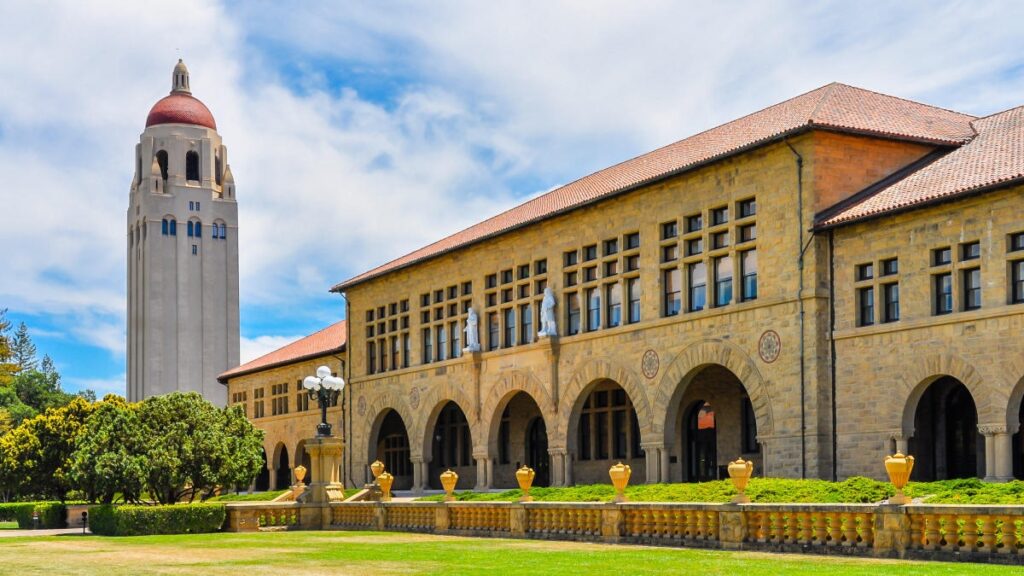
Acceptance Rate: 4%
Stanford sits at the heart of Silicon Valley, yet its doors are nearly impossible to walk through. Out of tens of thousands of applicants each year, only 4% make the cut. The applicant pool is filled with students who already rank at the top of their classes worldwide, creating fierce competition.
Its programs in engineering, computer science, and entrepreneurship attract elite talent, and its reputation as a launchpad for innovators pushes admission standards even higher.
5. Minerva University
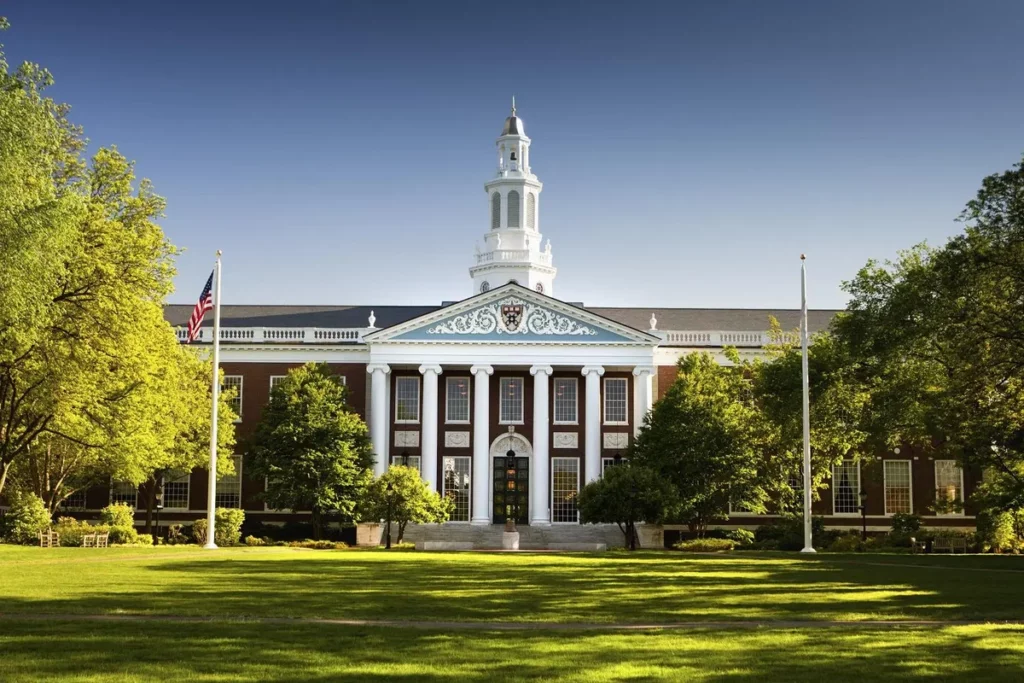
Acceptance Rate: 4%
Minerva University may be young compared to Ivy League institutions, but it is already ranked #3 among the hardest colleges to get into in America. With an acceptance rate of only 4%, admission is as competitive as Harvard, Stanford, or Columbia.
What makes Minerva different is that it evaluates students without relying on SAT or ACT scores. Instead, the school looks for evidence of problem-solving ability, critical thinking, and global perspective. With about 600 undergraduates total, each spot is scarce.
6. Princeton University
Acceptance Rate: 4%
Princeton is consistently ranked #1 in National Universities, but its prestige comes with extreme exclusivity. Only 4% of applicants are admitted, despite most presenting near-perfect records. Typically, admitted students score 1500–1580 on the SAT or 34–35 on the ACT, making even outstanding applicants uncertain of acceptance.
Princeton keeps enrollment intentionally small, ensuring faculty attention but leaving few spaces available. Its 5:1 student-faculty ratio, world-renowned academics in fields like computer science, economics, and public policy, and a 97% graduation rate add to the competition.
7. Yale University

Acceptance Rate: 5%
Yale’s 5% acceptance rate places it among the most selective universities in the world. Even applicants with 1500–1580 SAT scores or 33–35 ACT scores face rejection, as the school receives far more qualified candidates than it can admit.
Its enrollment of about 6,800 undergraduates (2023) keeps class sizes small (6:1 student-faculty ratio), but it also means thousands of high-achieving students are turned away each year. Ranked #5 in National Universities and #5 in Lowest Acceptance Rates, Yale is both academically elite and brutally competitive
8. University of Chicago
Acceptance Rate: 5%
The University of Chicago admits only 5% of applicants, a rate on par with the Ivy League. The admitted pool typically posts 1510–1570 SAT or 34–35 ACT scores, meaning even students at the very top of their high school class often fall short.
What intensifies its difficulty is UChicago’s admissions culture: the famously demanding supplemental essays serve as a filter, revealing who can thrive in its rigorous “life of the mind” environment. Ranked #11 in National Universities, UChicago also excels in economics, public policy, and the sciences, drawing thousands of exceptional applicants from around the globe.
9. Massachusetts Institute of Technology
Acceptance Rate: 5%
MIT is one of the hardest universities to access, not only because of its 5% acceptance rate, but also because of the kind of student it attracts: math and science prodigies competing head-to-head with the best in the world.
Admitted students typically post 1510–1580 SAT or 34–36 ACT scores, meaning perfection is almost the baseline. Unlike most peers, MIT does not accept the Common App, requiring applicants to navigate its own application system, which emphasizes problem-solving skills, research experience, and creativity.
10. Brown University
Acceptance Rate: 5%
Brown stands out in the Ivy League for its Open Curriculum, a system that lets undergraduates design their own academic path without core requirements. That academic freedom is the prize, but reaching it is extraordinarily difficult.
With an acceptance rate of just 5%, Brown is as selective as Harvard or Yale. Successful applicants usually present 1500–1570 SAT or 34–35 ACT scores, but grades and scores alone aren’t enough. As the #1 college in Rhode Island, Brown looks for intellectual independence and creativity, the kind of qualities that thrive under its flexible structure.
11. Northeastern University

Acceptance Rate: 6%
The college’s popularity has surged thanks to its signature co-op program, which blends classroom learning with paid, full-time work experience at leading companies. That model has made Northeastern a top choice for ambitious students seeking practical advantages in fields like business (#8 nationally) and criminal justice (#4 nationally).
But the same demand that fuels its rise also drives its selectivity. The typical admitted student brings SAT scores between 1460 and 1550 or an ACT of 33 and 35, making the applicant pool as competitive as elite private universities.
12. Dartmouth College
Acceptance Rate: 6%
Dartmouth may be the smallest Ivy League school, but that doesn’t make it easier to get into. Applicants are expected to bring academic credentials on par with the very top schools—SAT scores between 1500–1570 or ACT scores of 33–35 are the norm for admitted students.
Despite its rural setting in Hanover, New Hampshire, Dartmouth’s reputation is global. It consistently ranks among the best for undergraduate teaching (#5 nationally). Its programs in environmental science (#3 in the country) and global studies (#3 nationally) draw applicants from across the world.
13. University of Pennsylvania
Acceptance Rate: 6%
Ranked #10 in National Universities and #1 in the nation for business programs, the University of Pennsylvania (also called Penn) has earned its reputation as an academic powerhouse where gaining admission is as difficult as at Harvard, Yale, or Princeton.
Penn’s applicant pool is stacked with students at the very top of their high school classes. Successful candidates typically present SAT scores between 1500–1570 or ACT scores of 34–35, alongside a near-perfect GPA of around 3.9. But numbers alone aren’t enough—Penn looks for students who combine academic excellence with innovation, leadership, and a collaborative spirit.
14. Vanderbilt University
Acceptance Rate: 6%
Most admitted students at Vanderbilt University score between 1510 and 1560 on the SAT or 34 and 35 on the ACT, with an average GPA of around 3.9. This puts applicants in the very top tier of their graduating classes, making Vanderbilt a school where only the strongest candidates stand out.
Part of what drives its selectivity is Vanderbilt’s unique mix: Ivy-level academics combined with the culture of the Southeastern Conference (SEC). It offers the research and faculty access of a top university, boasting a 7:1 student-faculty ratio, while also delivering Division I athletics and a lively campus scene in Nashville, a fast-growing cultural hub.
15. Pomona College
Acceptance Rate: 7%
What makes Pomona College difficult to get into? For starters, the acceptance rate is just 7%, which is lower than that of many top research universities. Applicants typically submit SAT scores between 1480 and 1560 or ACT scores of 33–35, putting them in the highest academic tier nationwide.
Pomona’s draw lies in its tight-knit academic community. With a 7:1 student-faculty ratio, students get direct access to professors and opportunities that resemble graduate-level mentorship.
16. Duke University
Acceptance Rate: 7%
Ranked #6 in National Universities, Duke admits just 7% of applicants, a level of selectivity on par with the Ivy League. The admissions numbers highlight how fierce the competition is: most accepted students score 1520–1570 on the SAT or 34–35 on the ACT, effectively placing them at the very top of the applicant pool.
With just over 6,500 undergraduates, Duke cannot accept many, despite receiving tens of thousands of applications each year.
17. Colby College
Acceptance Rate: 7%
With an acceptance rate of just 7%, Colby is ranked among the top 20 hardest colleges to get into in America. The school’s admissions pool is highly competitive, with admitted students typically scoring between 1440–1550 on the SAT or 32–34 on the ACT.
Its reputation as a member of the NESCAC (New England Small College Athletic Conference) places it alongside other highly selective peers like Bowdoin and Middlebury. What adds to its appeal is the combination of academic rigor and financial accessibility. Colby is ranked #6 in Best Value Schools and charges no application fee, yet still maintains elite selectivity.
18. Swarthmore College
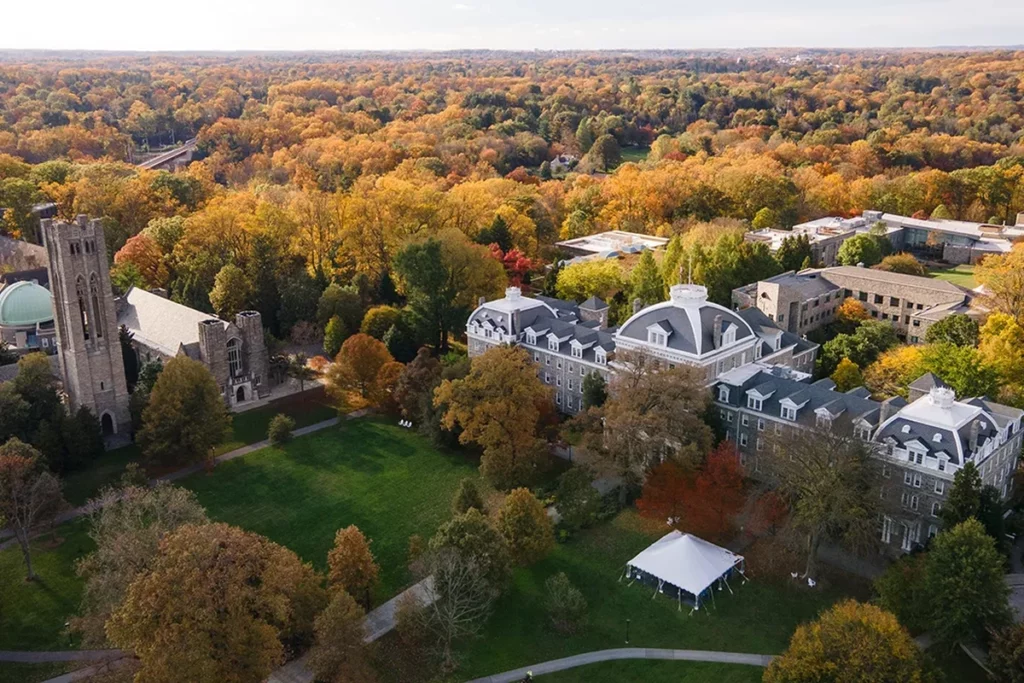
Acceptance Rate: 7%
Part of what makes Swarthmore so hard to enter is its unique identity: it combines the close-knit feel of a 1,600-student campus with the resources of a much larger institution, thanks to its membership in the Tri-College Consortium with Haverford and Bryn Mawr, and cross-registration access at the University of Pennsylvania.
The admitted student profile underscores its competitiveness. Most incoming students score between 1460 and 1560 on the SAT or 33–34 on the ACT, placing them well within the top percentile of test-takers nationwide.
19. Northwestern University
Acceptance Rate: 7%
Northwestern University holds the distinction of being #1 in Best Value Colleges in Illinois. That recognition reflects a rare balance: world-class academics paired with strong financial aid support, making it accessible for high-achieving students despite its high tuition price.
But earning a spot at Northwestern is no easy feat. With an acceptance rate of just 7%, the university is one of the most selective in the country. Admitted students typically report standardized test scores at the very top of national ranges, with SAT scores between 1490–1560 and ACT scores clustered around 33–35.
20. Barnard College
Acceptance Rate: 8%
Applicants to Barnard College face an uphill climb: the middle 50% of admitted students post SAT scores between 1450 and 1550 or ACT scores of 32 and 34, and most carry near-perfect GPAs. Thousands of strong applicants compete for just a few hundred spots.
Its close partnership with Columbia University makes it even more appealing, blending a small liberal arts setting with Ivy League resources. This New York City-based college sits at #14 in Liberal Arts Colleges and #1 among Women’s Colleges in America, making the competition even more fierce.
FAQs
What is the SAT score required for Ivy League colleges?
To be competitive in Ivy League admissions, you generally need a near-perfect score. Across the top 20 most selective colleges, the median SAT score is 1540 and the median ACT score is 34–35. In other words, applicants should aim for scores at the very top of the testing range to stand out.
Is there a selective college that doesn’t require ACT or SAT scores?
Most of the top selective colleges now require standardized test scores again, after temporarily being test-optional during the pandemic. So, it is still best to provide SAT/ACT scores because strong results improve your chances.
What are the easiest colleges to get into?
The easiest colleges to get into are the Art Academy of Cincinnati, Cameron University, Delta State University, Florida National University, etc. These schools have a 100% acceptance rate.