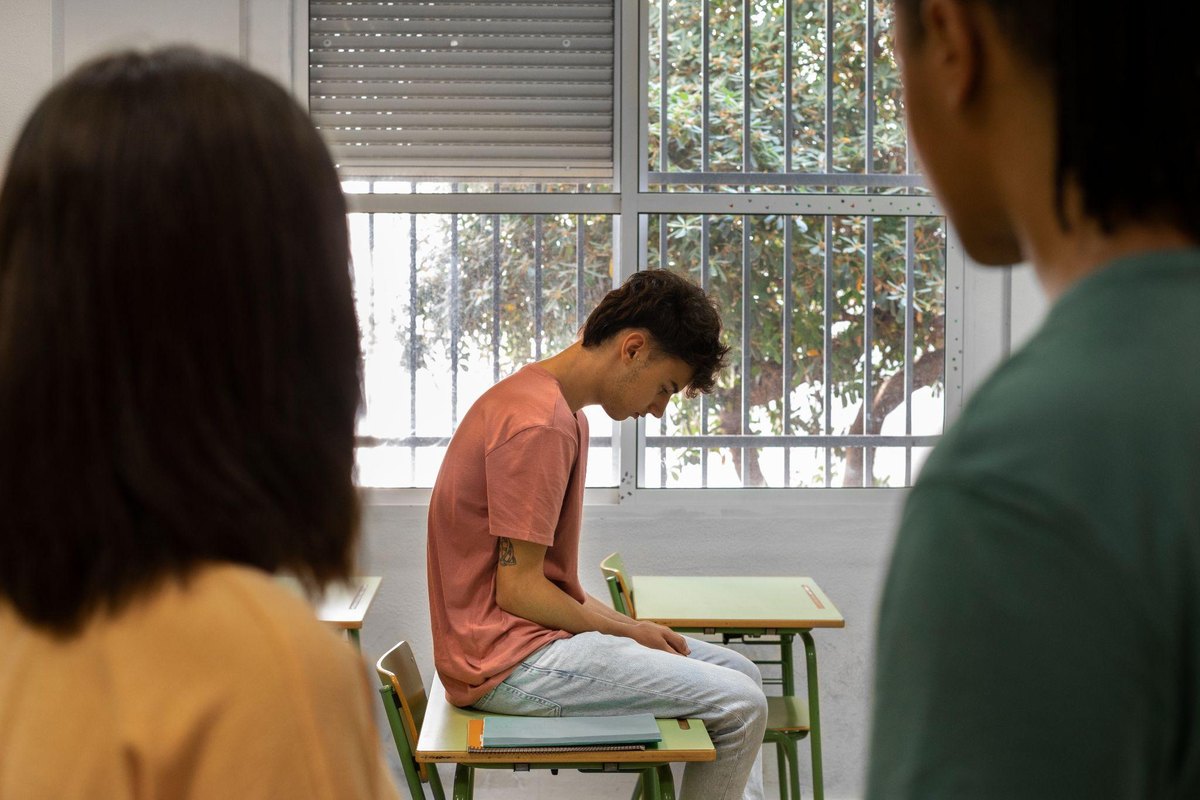
Ever sat through a lecture where the microphone kept cutting out, the slides were unreadable, and the teacher spoke in what felt like a different language? Now imagine that’s your everyday classroom experience—not due to bad tech or poor delivery, but because the system wasn’t designed with you in mind. For millions of students, learning is less about access to knowledge and more about navigating obstacles just to reach it. That’s where accessibility in education becomes more than a “nice-to-have.”
In This Article:
Education Isn’t Equal If It Isn’t Accessible
In theory, American schools are open to all. But in practice, access to quality education still depends on geography, income, and ability. Students with disabilities face a uniquely frustrating set of hurdles—sometimes literal, sometimes digital. The school building might have a ramp, but the online assignments are posted in PDFs that screen readers can’t process. Or the curriculum itself assumes a one-size-fits-all brain, ignoring how different students process information.
Accessibility doesn’t mean simplifying content. It means presenting knowledge in ways that all students can reach it. And let’s be honest: if a student needs closed captions to follow a video lesson or a quiet space to take a test, giving them those tools isn’t a “favor.” It’s the bare minimum of fairness in a system that already claims to value equal opportunity.
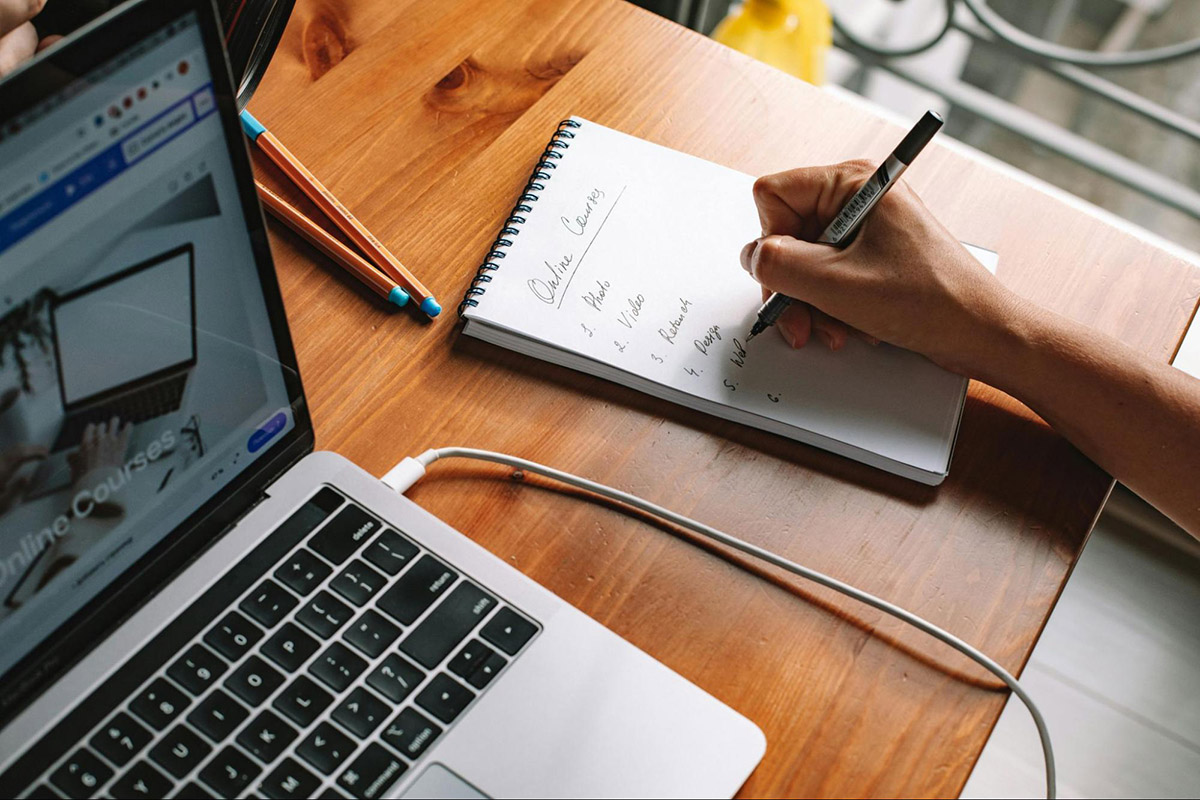
In response to this need, more teachers are turning to inclusive learning practices and institutions are investing in support services. Many educators are also seeking an online degree in special education to better equip themselves with tools for teaching diverse learners. These programs are especially valuable now that classrooms span both physical and digital spaces, and teachers must adapt their methods for both. Inclusive teaching is no longer niche—it’s essential.
The Pandemic Opened the Floodgates
When COVID-19 forced schools to go remote, it pulled the curtain back on how inaccessible education really was. Suddenly, even students without disabilities struggled to keep up. Those without fast internet, a quiet workspace, or a laptop fell behind. For students with existing learning differences, the crisis didn’t create problems—it amplified them.
But here’s the twist: the pandemic also showed how quickly schools can adapt when pressed. Zoom’s closed captioning, digital textbooks, extended test times—many of these adjustments had been requested for years. It took a global emergency to make them mainstream. And once in place, these tools didn’t just help students with disabilities. They helped everyone. Turns out, designing for access benefits more than just the target audience.
Accessibility Is Not Just About Disability
People tend to think of accessibility in terms of ramps, elevators, or braille. But in education, accessibility is broader. It includes language support for English learners, trauma-informed teaching for students affected by violence, and flexible deadlines for those juggling school and caregiving.
Take neurodivergent students—those with ADHD, dyslexia, or autism. Many of them don’t “look” like they need help, and their challenges can go unnoticed. But when a classroom prioritizes structure, clear expectations, and choice in how to show learning, these students thrive. And their peers do, too. Accessibility is about creating environments that support different kinds of brains, not just bodies.
Technology Can Be a Lifeline—Or a Barrier
You’d think digital tools would level the playing field. And sometimes, they do. Voice-to-text, screen readers, and learning apps have transformed how students access information. But tech can just as easily exclude. When teachers upload untagged images or scanned PDFs, they unknowingly block access. When websites aren’t designed for screen readers or mobile use, they leave some users behind.
It’s not about using more technology. It’s about using it thoughtfully. A well-captioned video beats a slick animation that says everything out loud with no transcript. And while AI tools and learning platforms have potential, they need to be built with accessibility from the ground up—not patched in later as an afterthought.
Teacher Training Shouldn’t Be an Afterthought
Expecting teachers to figure this out on their own is like asking someone to build a house with only a hammer. Without proper training, even well-meaning educators can miss the mark. Many teachers graduate without more than a passing lesson on inclusive education. Others learn on the job, piecing together strategies from colleagues, YouTube, or late-night Google searches.
This isn’t sustainable. Accessibility shouldn’t rely on individual heroics. It should be a central part of teacher education programs and ongoing professional development. Because when educators feel confident in creating inclusive lessons, students feel seen. And learning becomes less about surviving the system and more about thriving in it.
The Cost of Inaccessibility Is Measured in Dropout Rates
There’s a very real consequence to all this. When education isn’t accessible, students disengage. They fall behind. They drop out. According to the National Center for Education Statistics, students with disabilities have lower graduation rates than their peers—and it’s not due to lack of intelligence or effort. It’s about a system that often asks them to run a marathon with one shoe missing.
Then there’s the economic cost. When students can’t finish school or access higher education, their job prospects shrink. The country loses out on potential workers, thinkers, and leaders. Accessibility isn’t just a moral imperative. It’s a smart investment.
Change Starts With Listening—and Acting
We’ve come a long way from chalkboards and overhead projectors, but accessibility still lags behind our educational ambitions. Real progress doesn’t happen through grand reforms or viral hashtags alone. It happens when schools listen to students, when teachers ask what works, and when policymakers fund what’s needed.
Parents advocating for IEPs, students demanding captions, teachers fighting for better training—these are the everyday movements shaping a more accessible future. The conversation isn’t just about who’s included. It’s about who gets to succeed.
Accessibility matters because it determines who gets to participate fully in their own education. And when access expands, so does potential. Not just for a few, but for all.